



























Nội dung chính
- Xôi Lạc TV là gì?
- Mục tiêu phát triển của trang web trực tiếp bóng đá Xoilac86.tv
- Xem bóng đá trực tuyến Xoilac86.tv có gì nổi bật?
- Những giải bóng đá đang được phát sóng trực tiếp trên Xoilac86.tv
- Hướng dẫn cách xem trực tiếp bóng đá tại Xoilac TV
- Tại sao bạn nên lựa chọn Xoilac TV để xem trực tiếp bóng đá?
- Tổng hợp một số trang web xem trực tiếp bóng đá hàng đầu hiện nay
- Một số lưu ý khi xem bóng đá trực tuyến tại Xoilac TV
- Kết luận
Xôi Lạc TV là gì?
Xôi Lạc TV là trang web phát sóng trực tiếp bóng đá miễn phí với chất lượng cao và là kênh xem bóng đá trực tuyến được yêu thích nhất Việt Nam. Nơi mà tất cả các giải đấu bóng đá hàng đầu trong cho đến ngoài nước đều được trực tiếp đầy đủ. Giúp bạn xem được trận đấu mình thích với trải nghiệm cao nhất. Chính vì thế, nếu có nhu cầu xem bất kỳ trận đấu nào, bạn hãy truy cập vào đây để lấy được link xem bóng đá uy tín nhất nhé.
Ngoài tên thường gọi Xôi Lạc TV, fan hâm mộ còn biết đến chúng tôi với các tên khác như Xoilac 1, 2, 7, Xoilac8, Live, Net, Link… vì sự yêu mến của quý bạn có thể gọi chúng tôi bất kì tên nào mà mình dễ nhớ.
Mục tiêu phát triển của trang web trực tiếp bóng đá Xoilac86.tv
Đây là thời buổi của công nghệ số, cho nên đa số mọi người đều chọn cách xem trực tiếp bóng đá trên điện thoại, máy tính,.. hơn là xem trên TV như trước. Để có thể xem được 1 trận bóng đá trực tiếp với chất lượng cao, đầu tiên bạn phải truy cập vào 1 website uy tín. Tuy nhiên hiện tại ở Việt Nam không có quá nhiều website bóng đá làm được điều này. Cho nên, Xoilac86.tv ra đời với mục đích giúp mọi người có được một địa chỉ xem bóng đá chất lượng cao.
| ⭐ Link xem trực tiếp bóng đá | ⭐ Xoilac86.tv |
| ⭐ Bình luận viên | ⭐ Đội ngũ Xoilac TV chính thức |
| ⭐ Xem tin tức bóng đá | ⭐ Cập nhật 24h |
| ⭐ Xem lại video trận đấu | ⭐ Highlight Video full |
Đứng sau Xoilac TV là những chuyên gia bóng đá hàng đầu tại Việt Nam cũng như các kỹ thuật viên IT chuyên nghiệp. Cho nên chúng tôi đã phát triển cực kỳ nhanh, thêm vào đó cơ sở hạ tầng cũng được áp dụng những công nghệ phát tructiepbongda mới nhất. Chính vì thế trong một thời gian ngắn, Xôi Lạc TV đã thu hút được một số lượng người dùng cực kỳ lớn.Mục tiêu phát triển của chúng tôi là “luôn đặt trải nghiệm của người dùng lên hàng đầu”. Nên chỉ cần vào đây, bạn sẽ được lấy đường link xem bóng đá trực tiếp của trận đấu mình thích khá nhanh chóng. Bởi chúng tôi đang có hệ thống link xem trực tiếp bóng đá ở toàn bộ các giải đấu như Champion League, Ngoại Hạng Anh, Serie A, La Liga, Ligue 1, Cúp C2, Bundesliga, Euro, World Cup, Copa America,… Đương nhiên với những đường link được Xôi Lạc TV cung cấp bạn sẽ xem được trận đấu bóng đá với chất lượng hình ảnh có độ phân giải cao, âm thanh chân thực, đường truyền ổn định, bình luận bằng tiếng Việt hấp dẫn, kích thước màn hình đúng chuẩn,..
Ngoài việc phát sóng bóng đá miễn phí với chất lượng cao thì Xoilac86.tv còn cung cấp cho bạn rất nhiều những thông tin bổ ích khác. Giúp bạn biết được những sự kiện, tin tức bóng đá mới nhất, kết quả của tất cả các trận đấu vừa diễn ra, lịch thi đấu, bảng xếp hạng của những giải đấu hàng đầu, kèo nhà cái với thông tin đầy đủ. Đương nhiên toàn bộ những thông tin này cũng được chúng tôi cập nhật cực kỳ đầy đủ và chuẩn xác.
Với mục tiêu luôn là nơi dành cho fan hâm mộ xem trực tiếp bóng đá hàng đầu tại Việt Nam. Hiện tại, Xoilac TV vẫn đang phát triển không ngừng nghỉ, để nâng cấp website của mình cũng như cải thiện chất lượng các trận đấu được phát sóng tại đây nhiều hơn nữa. Giúp mọi người có được những trải nghiệm xem bóng đá trực tuyến tốt nhất khi xem trận đấu mình thích.
Xem bóng đá trực tuyến Xoilac86.tv có gì nổi bật?
Khi truy cập vào trang web phát sóng bóng đá trực tiếp Xôi Lạc TV, bạn sẽ khá là bất ngờ. Bởi chúng tôi không chỉ cập nhật link trực tiếp bóng đá cho toàn bộ các giải đấu lớn như Ngoại Hạng Anh, Champion League, La Liga, Serie A, Bundesliga, Ligue 1, World Cup, Euro, Copa America,.. mà còn cập nhật link xem các giải bóng đá trong nước và trong khu vực như V-League, Sea Games, AFF Cup, U23 Châu Á,.. Thêm vào đó, những thông tin bóng đá trong và ngoài được cũng được cập nhật đầy đủ mỗi ngày cho bạn tham khảo.
Phát sóng tất cả giải đấu hot nhất trên thế giới
Hiện tại đa số mọi người đều muốn xem các trận đấu của những CLB hàng đầu như Real Madird, Man City, Liverpool, Man United, Barca, Bayern Munich, Juventus,.. Biết được điều này, chúng tôi cũng cập nhật link xem các CLB này khá là đầy đủ và chất lượng. Thêm vào đó, các trận đấu của những đội bóng lớn như Pháp, Anh, Bồ Đào Nha, Đức, Tây Ban Nha, Brazil, Agentina, Bỉ,.. cũng được Xôi Lạc TV cập nhật link đầy đủ. Giúp bạn xem bất kỳ trận bóng đá nào mình thích hết sức dễ dàng tại đây.
Hệ thống link tructiepbongda ngon nhất
Xoilac86.tv cũng cung cấp link trực tiếp bóng đá 2022 mới nhất với chất lượng cực kỳ cao. Bởi chúng tôi đang áp dụng những công nghệ mới nhất cũng như hệ thống server khá hiện đại. Chính vì thế sẽ mang đến cho bạn các trận đấu bóng đá đỉnh cao với hình ảnh cực sắc nét, âm thanh thì chân thực, tốc độ luôn mượt mà, ổn định, kích thước màn hình thì đúng chuẩn, các hiện tượng như giật, đứng hình, lag,.. gần như không xuất hiện. Thêm vào đó, bạn còn được nghe bình luận tiếng Việt cực hấp dẫn từ các BLV hàng đầu trong nước hiện nay.
Trang tổng hợp đầy đủ thông tin về bóng đá
Ngoài việc lấy được đường link xem bóng đá trực tiếp chất lượng cao của tất cả các giải hàng đầu. Khi truy cập vào kênh tructiepbongda XoiLac TV, bạn còn được tham khảo rất nhiều thông tin bóng đá bổ ích, cụ thể như:
- Bạn sẽ biết được các tin tức bóng đá mới nhất trong nước cũng như quốc tế. Tin tức cũng khá đa dạng, từ tin về giải đấu, cầu thủ, trước trận đấu, huấn luyện viên, chuyển nhượng, bên lề sân cỏ… Thêm vào đó thời gian cập nhật lúc nào cũng sớm nhất, giúp bạn nắm được tình hình bóng đá trong tay mình khá dễ dàng
- Bạn sẽ biết được kqbd hôm nay của toàn bộ các trận đấu vừa mới diễn ra nhanh nhất, từ tỷ số, số phạt góc, ném biên, thẻ phạt, cầu thủ kiến tạo, ghi bàn,…
- Bạn còn được xem lại video highlight của trận đấu mà mình không thể xem trực tiếp tại Xoilac86.tv khá đơn giản. Bởi chúng tôi cập nhập video bóng đá highlight cho toàn bộ các giải bóng đá lớn với chất lượng khá cao.
- Bạn sẽ biết được lịch thi đấu của các giải bóng đá hàng đầu trên thế giới hiện nay khá chi tiết. Khi chúng tôi cập nhật đầy đủ các thông tin như thời gian trận đấu bắt đầu, đội hình dự kiến ra sân, sân tổ chức trận đấu,…
- Bạn sẽ nắm được bảng xếp hạng ở bất kỳ trận đấu nào mình thích khi truy cập vào đây. Trong BXH sẽ có toàn bộ thông tin quan trọng như vị trí, điểm số, số vòng thi đấu, hiệu số thắng thua, thành tích trong các trận đấu gần nhất
- Bạn còn được tham khảo bảng kèo nhà cái ở bất kỳ trận đấu nào diễn ra trong ngày khá đơn giản. Trong bảng kèo, Xôi Lạc TV cập nhật toàn bộ các thể loại kèo, thêm vào đó tỷ lệ kèo và tỷ lệ ăn tiền cũng chuẩn xác 100%. Để giúp bạn có được những tin soi kèo với tỷ lệ thắng cao nhất từ đội ngũ chuyên gia đang làm việc tại XoilacTV.
- Bạn cũng được sử dụng Livescore miễn phí, để giúp mình có thể xem tỷ số trực tiếp ngay khi trận đấu đang diễn ra nhanh và chuẩn xác nhất.
Giao diện thông minh gần gũi người dùng
Xoilac86.tv còn dành rất nhiều thời gian và công sức để nghiên cứu và xây dựng website, chính vì thế khi vào Xoi Lac TV, bạn sẽ thấy bố cục trang web được thiết kế khá khoa học khi phân theo từng mục khác nhau. Mỗi mục sẽ là một chức năng riêng cho mọi người dễ dàng tìm kiếm và sử dụng. Thêm vào đó, chúng tôi còn lựa chọn màu sắc khá hài hòa cũng như tô điểm các chức năng quan trọng. Cho bạn có thể sử dụng một cách tốt nhất và không bao giờ bị mỏi mắt nếu nhìn quá lâu. Đặc biệt, Xoilac TV Trực Tiếp Bóng Đá còn đang sử dụng đường truyền hiện đại, cho nên tốc độ load khá nhanh. Cho bạn được những trải nghiệm sử dụng không thể chê vào đâu được.

Xoilac86.tv còn có đội ngũ quản trị viên là những nhà báo, phóng viên, chuyên gia bóng đá hàng đầu. Những người này cũng cực kỳ nhiệt tình, có chuyên môn cao và làm việc 24/7, để cung cấp cho người dùng những dịch vụ tốt nhất. Để người dùng có thể xem các trận bóng đá mình thích với chất lượng cao một cách dễ dàng hay là xem các thông tin bóng đá mình cần nhanh nhất.
Những giải bóng đá đang được phát sóng trực tiếp trên Xoilac86.tv
Xôi Lạc TV là một trong những website phát sóng trực tiếp bóng đá hiếm hoi tại Việt Nam có được bản quyền của toàn bộ các giải bóng đá hàng đầu trong nước cũng như thế giới. Chính vì thế, chỉ cần vào đây bạn có thể xem được bất kỳ trận đấu nào mà mình thích cực kỳ đơn giản. Cụ thể chúng tôi đang phát sóng các giải sau:
-
- UEFA Champions League – Cúp C1: Giải đấu cấp CLB danh giá nhất thế giới hiện nay, nơi quy tụ toàn bộ các câu lạc bộ hàng đầu Châu Âu
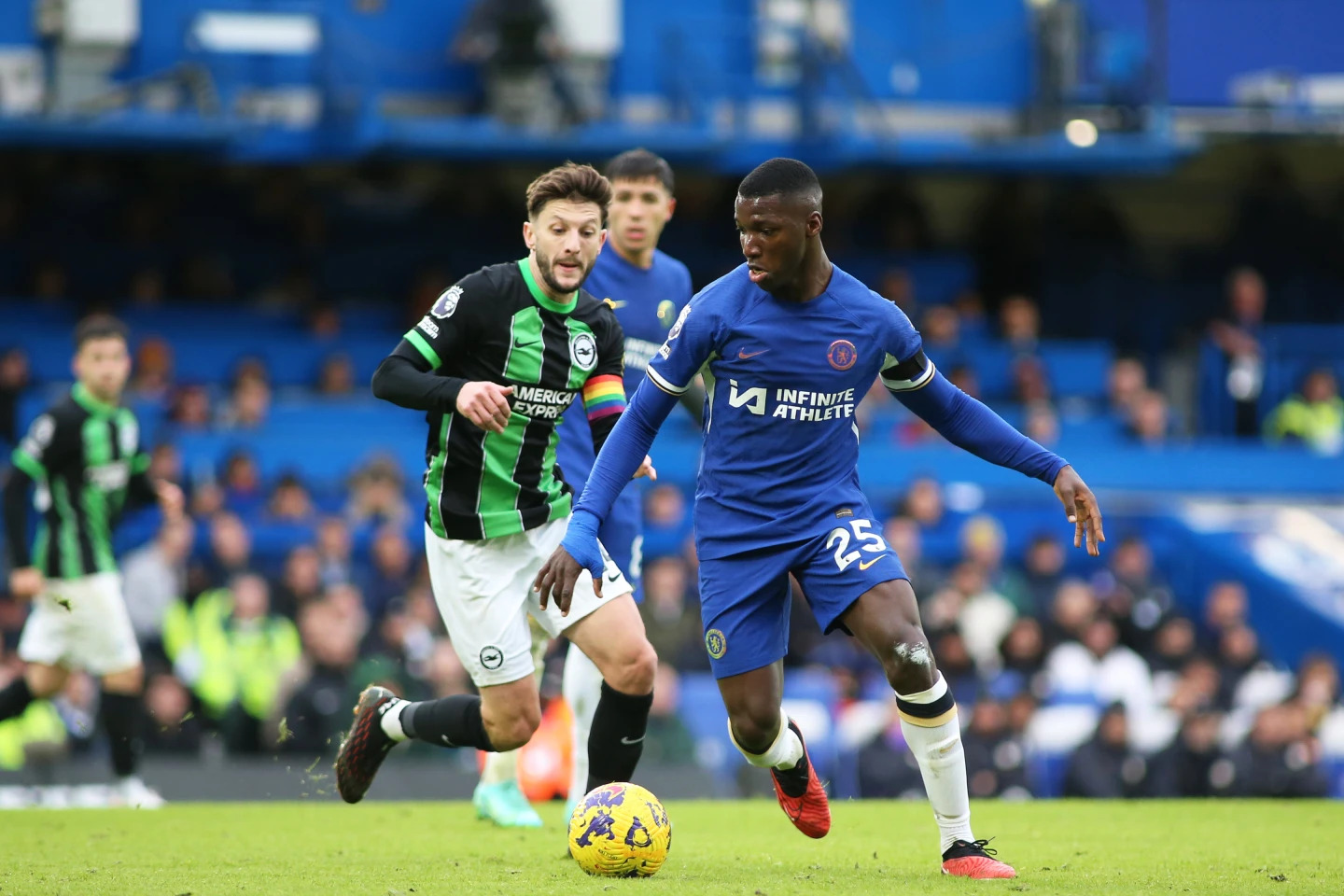
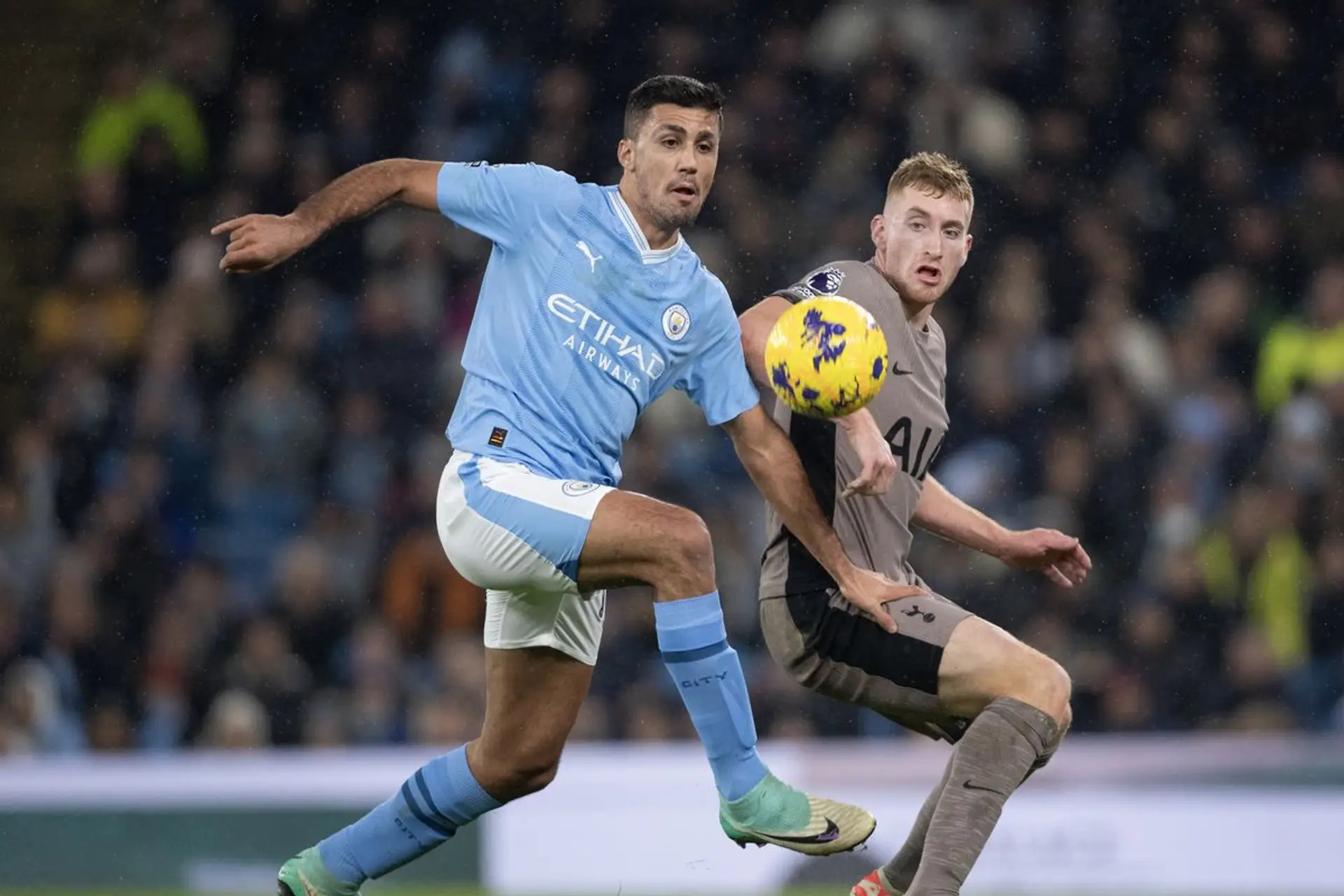
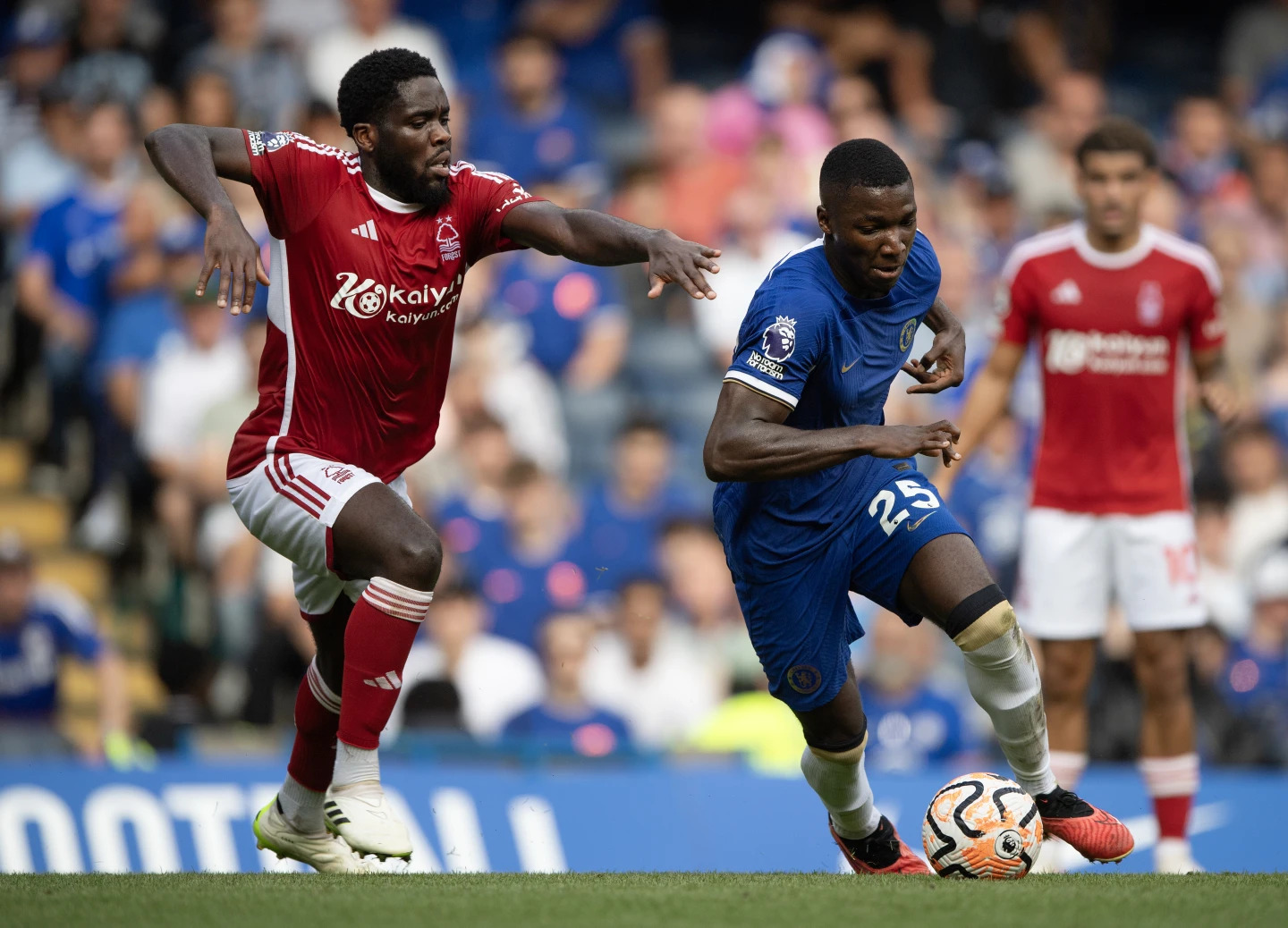
- Premier League – Giải vô địch Ngoại hạng Anh: Giải bóng đá lớn nhất nước Anh cũng như hấp dẫn nhất thế giới. Khi có những câu lạc bộ, các cầu thủ hàng đầu thế giới tham gia. Đặc biệt, mỗi tuần đều diễn ra rất nhiều trận đấu cực kỳ hấp dẫn
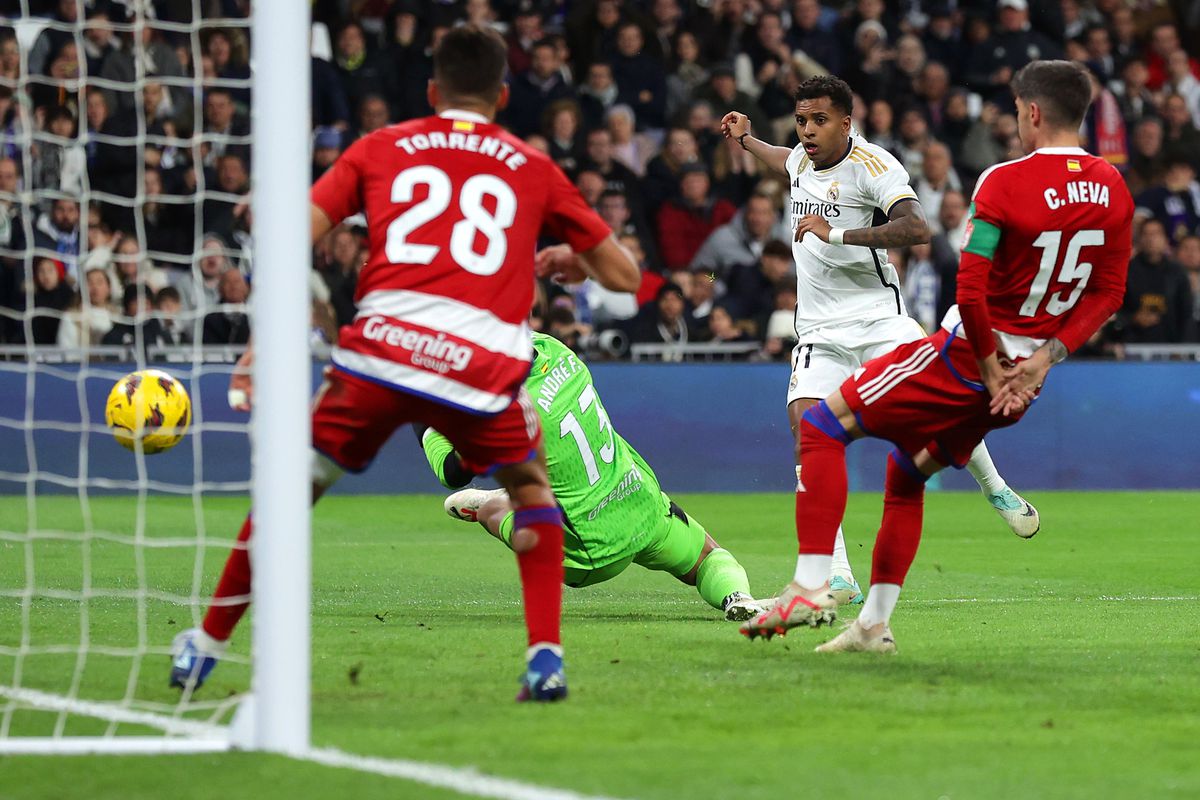
- La Liga – Giải đấu bóng đá Tây Ban Nha: Giải bóng đá lớn nhất Tây Ban Nha, nơi cũng có những CLB hàng đầu như Real Madrid, Alt Madrid, Barca,… Mỗi tuần cũng có nhiều trận đấu lớn
- Serie A – Giải đấu bóng đá Ý: Một trong những giải đấu bóng đá lâu đời nhất thế giới cũng như hàng đầu nước Ý. Nơi những CLB danh tiếng như AC Milan, Inter Milan, Juventus,.. đang thi đấu
- Bundesliga – Giải bóng đá vô địch quốc gia Đức: Giải đấu hàng đầu nước Đức, nơi diễn ra các trận đấu hấp dẫn cả mùa giải
- Ligue 1 – Giải bóng đá vô địch quốc gia Pháp: Đây là giải đấu mới nổi lên trong thời gian gần đây. Khi các CLB tại đây chi rất nhiều tiền để mua những siêu sao hàng đầu, giúp cho chất lượng của giải đấu tăng lên khá nhiều.
- Euro – Giải vô địch bóng đá Châu Âu: Giải bóng đá cấp quốc gia hàng đầu Châu Âu, nơi toàn bộ các đội bóng, cầu thủ hay nhất Châu Âu tham dự
- Copa America – Giải vô địch bóng đá Nam Mỹ: Giải bóng đá hàng đầu tại Nam Mỹ, nơi quy tụ tất cả các siêu sao của khu vực này
- V-League – Giải vô địch bóng đá Việt Nam: Giải đấu bóng đá lớn nhất trong nước hiện nay.
- Các giải đấu trên thế giới khác như: King Cup, Carabao Cup, Cúp Nhà Vua… tất cả sẽ được kênh Xôi Lạc TV phát trực tiếp bóng đá hôm nay miễn phí.
Trực tiếp bóng đá Euro 2024 vs World Cup 2026
Chuẩn bị cho mùa bóng Euro và WC sắp tới, Xoilac TV tự hào là kênh trực tiếp bóng đáphát sóng tất cả các trận tại giải đấu vô cùng hấp dẫn và được quan tâm nhiều nhất bởi đông đảo người hâm mộ trên khắp thế giới. Euro – Giải vô địch quốc gia Châu Âu, World Cup – Giải vô địch bóng đá thế giới: Giải bóng đá hay nhất hành tinh hiện nay, khi được tổ chức 4 năm/ 1 lần và quy tụ toàn bộ các đội bóng, cầu thủ hàng đầu thế giới
Ngoài ra Xôi Lạc TV còn phát sóng toàn bộ các giải đấu trong khu vực quốc nội cũng như của đội tuyển Việt Nam tham gia như U23 Châu Á, AFF Cup, vòng loại World Cup khu vực Châu Á, Sea Games,.. cùng với nhiều giải cỏ khác.
Hướng dẫn cách xem trực tiếp bóng đá tại Xoilac TV
Như đã nói ở trên, trang web Xoilac86.tv được thiết kế cực kỳ khoa học với việc chia thành nhiều mục khác nhau. Thêm vào đó, Xôi Lạc TV còn tương thích với cả điện thoại, máy tính, laptop,.. chạy bất ý hệ điều hành gì. Cho nên, nếu như bạn muốn tìm và xem bất kỳ trận đấu bóng đá nào tại đây cũng hết sức đơn giản. Chỉ cần bạn làm theo các bước sau:
- Bước 1: Đầu tiên bạn sẽ tiến hành truy cập vào các trình duyệt như Google Chrome, Firefox, Cốc Cốc, Opera…
- Bước 2: Nhập tìm kiếm website bằng các từ khóa như “Xoilac TV“, “truc tiep bong da“, “bóng đá trực tuyến“, “xem bóng đá“,…
- Bước 3: Truy cập đến địa chỉ Xoilac86.tv bên dưới bảng kết quả tìm kiếm.
- Bước 4: Tiếp theo bạn sẽ chọn vào mục Trang Chủ rồi kéo xuống dưới. Ở đây bạn sẽ thấy được toàn bộ các đường link xem trực tiếp bóng đá ngon nhất diễn ra vào hôm nay
- Bước 5: Cuối cùng bạn chỉ cần chọn vào trận đấu mà mình muốn xem là có thể thưởng thức được.
Để giúp bạn có thể tìm được trận đấu mình muốn xem một cách dễ dàng nhất. Chúng tôi còn phân ra rất nhiều mục như trận HOT, các trận đang đá, diễn ra vào hôm nay, ngày mai,.. Thêm nữa, bạn còn có thể lựa chọn bằng cách tìm giải đấu bóng đá mình muốn xem.
Khi lấy bất kỳ link xem bóng đá trực tiếp nào tại XoiLac TV, bạn sẽ không phải trả bất kỳ khoản phí nào. Bởi chúng tôi cung cấp toàn bộ những đường link này hoàn toàn miễn phí. Thêm vào đó, mỗi trận đấu đều được XoiLac TV cập nhật trên 3 đường link cho bạn lựa chọn. Cũng như chúng tôi cũng cam kết rằng, toàn bộ các đường link xem bóng đá online do mình cung cấp không bao giờ dính mã độc hay là virus.
Hiện tại xem trực tiếp bóng đá trên mạng đang được khá nhiều người sử dụng. Bởi cách thức này mang lại rất nhiều lợi ích khác nhau. Đặc biệt, khi xem tại Xôi Lạc TV, bạn còn có được những trải nghiệm cực kỳ tuyệt vời. Chính vì thế, bạn nên chia sẻ website Xoi Lac TV đến với bạn bè, người thân của mình. Để họ cũng được xem các trận bóng đá mình thích với chất lượng cao nhất.

Tại sao bạn nên lựa chọn Xoilac TV để xem trực tiếp bóng đá?
Không phải quá tự tin nhưng chúng tôi có thể khẳng định rằng, Xoilac TV chính là một trong những trang web phát sóng bóng đá trực tiếp hàng đầu Việt Nam hiện nay. Bởi chúng tôi có những ưu điểm mà ít có website bóng đá nào có được. Cụ thể đó là:
- Xoilac86.tv hiện tại đang cung cấp link xem bóng đá cho tất cả các giải đấu, từ những giải bóng đá hàng đầu trên thế giới cho đến các giải cỏ trong nước và khu vực. Thêm vào đó, bóng đá nữ hay các môn thể thao khác như quần vợt, tennis, bóng bàn,.. cũng có tại đây
- Tất cả link xem trực tiếp bóng đá đều được chúng tôi cập nhật trước khi trận đấu diễn ra 1 tiếng đồng hồ. Mỗi trận đấu sẽ được cung cấp trên 3 link, cho bạn lựa chọn được link phù hợp nhất
- Với đường link của Xôi Lạc TV, bạn sẽ được thưởng thức một trận đấu bóng đá với chất lượng hình ảnh Full HD sắc nét, chất lượng âm thanh thì chân thực, kích thước màn hình thì đúng chuẩn. Đương nhiên, bạn có thể tùy chỉnh âm lượng, kích thước màn hình hay độ phân giải hình ảnh sao cho phù hợp với mình nhất
- XoiLac TV cũng đang sử dụng đường truyền cực kỳ hiện đại, cho nên tốc độ khá mượt mà, ổn định. Cho nên các hiện tượng như đứng hình, giật, lag hay là bị diss ra khi đang xem ít khi nào xuất hiện
- Những trận đấu bóng đá lớn được phát sóng tại đây cũng được bình luận bằng tiếng Việt cực kỳ cuốn hút. Khi mà Xoilac TV đã thuê những BLV khá chuyên nghiệp, có nhiều kiến thức về bóng đá cũng như khả năng tấu hài cao để bình luận các trận đấu do mình phát sóng
- Dù phát sóng bóng đá miễn phí, thế nhưng chúng tôi cũng không bao giờ chèn quá nhiều quảng cáo khi trận đấu đã chính thức bắt đầu. Bởi ngay từ đầu, XoiLac TV luôn đặt trải nghiệm của người dùng lên hàng đầu
- Giao diện của Xoilac TV cũng cực kỳ đẹp mắt và khoa học, giúp bạn có thể sử dụng và tìm những thông tin mình cần cực kỳ dễ dàng và nhanh chóng
Ngoài ra, khi truy cập vào Xoilac86.tv, bạn còn được biết những tin tức bóng đá mới nhất, kết quả bóng đá của các trận đầu vừa diễn ra, bảng xếp hạng, lịch thi đấu của những giải bóng đá hàng đầu, bảng kèo nhà cái chuẩn xác,..
Tổng hợp một số trang web xem trực tiếp bóng đá hàng đầu hiện nay
Ngoài Xoilac86.tv, chúng tôi cũng muốn cho bạn biết những trang web xem bóng đá trực tiếp hàng đầu khác. Nơi mà bạn sẽ thưởng thức được bất kỳ trận đấu bóng đá nào với trải nghiệm không thể chê được. Cụ thể đó là:
- Vào Rồi TV ( Vao Roi TV | Vaoroi TV | Vaoroi.TV | Vaoroi.co)
- Về Bờ TV ( Vebo TV | Ve Bo TV | Vebo.live)
- 90 Phút TV (90Phut TV | 90Phut Link | 90Phut Net | 90M TV | 90Min.TV)
- Bánh Khúc TV (Banh Khuc TV | Banhkhuc.TV)
- Khô Mực TV (Kho Muc TV | Khomuc.TV)
- Mì Tôm TV (Mitom TV | Mitom.TV)
- Cà Khịa TV (Cakhia TV | Cakhia Link | Cakhia Live | Ca Khia TV | Cakhia.com)
- Bàn Thắng TV (Banthang TV | Banthang.TV | Banthang.io)
- VTV (VTV3 | VTV6 | VTV3 HD | VTV6 HD | VTV9)
- K+ (K+ TV | K+ Phong Cách | K+ Nhịp Sống)
- Ra Khơi TV (Rakhoi TV | Ra Khoi TV | Ra Khoi Link | Rakhoi.TV)
- Sao Kê TV (Saoke TV | Sao Ke TV | Sao Ke Link | Saoke.TV)
- Thức Khuya TV (Thuckhuya TV| Thuckhuya.TV)
- Xem Bóng Đá TV (Xem Bong Da TV | Xembongda TV)
- Trực Tiếp Bóng Đá TV (Truc Tiep Bong Da TV| Tructiepbongda TV | Tructiepbongda.info)
- Ngoạc TV (Ngoac TV | Ngoác TV)
- Kèo Nhà Cái TV (Keo Nha Cai TV | Keonhacai TV | Keonhacai.com | Keo Nha Cai Net)
- Thẻ Vàng TV (The Vang TV | Thevang.TV)
- Sương TV (Suong TV | SuongTV)
- Thẻ Đỏ TV (The Do TV | Thedo.TV)
Một số lưu ý khi xem bóng đá trực tuyến tại Xoilac TV
Để có được trải nghiệm xem truc tiep bong da hôm nay tốt nhất tại Xoilac86.tv bạn cần lưu ý một số thông tin quan trọng như sau:
- Chuẩn bị một thiết bị có kết nối internet ổn định để quá trình phát sóng bong da truc tuyen được diễn ra mượt mà không sợ lag hay giật.
- Nếu trong quá trình xem bóng đá online của bạn bị đứng hình, lag thì rất có thể do thiết bị của bạn gặp sự cố nào đó hoặc thiết bị đó có cấu hình thấp không đủ đáp ứng. Bạn nên dừng lại khoảng 1 đến 2 phút sau đó F5 refresh tải lại trang như vậy sẽ không còn bị lag, đứng hình nữa.
- Hệ thống tructiepbongda Xoilac TV luôn cung cấp đầy đủ các link dự phòng, các link khác sever để giảm tải cho đường link chính nên bạn hoàn toàn có thể đổi sang link bên cạnh của mỗi trận đấu đó.
- Để có một không khí xem đá banh tốt nhất, đội ngũ bình luận viên của chúng tôi luôn là những người nhiệt huyết, truyền lửa đến quý khán giả. Bạn cũng nên rủ bạn bè, người thân của mình theo dõi cùng để chia sẻ niềm vui xem đá banh mọi lúc mọi nơi cùng Xôi Lạc TV.
Kết luận
Nhằm đáp ứng niềm đam mê bóng đá, đội ngũ vận hành Xoilac86.tv sẽ cố gắng phát sóng miễn phí dành cho tất cả mọi người gần xa yêu thích xem bóng đá online cùng tận hưởng những không khí tuyệt vời nhất mà môn thể thao vua của chúng ta mang lại.
Thông tin liên hệ với Xoilac TV
Tất cả những ý kiến đóng góp hay mọi thắc mắc mà fan hâm mộ bóng đá cần liên hệ với kênh trực tiếp bóng đá Xôi Lạc TV có thể liên hệ qua các kênh thông tin bên dưới đây:
Đia chỉ: 54 Đường 3B, Phong Phú, Bình Chánh, Hồ Chí Minh.
Website: https://lovefoodeat.com/
Điện thoại: 0971412318
Email: [email protected]
– Instagram: https://www.instagram.com/xoilactvnet/
– Fanpage: https://www.facebook.com/xoilactvnett/
– Twitter: https://twitter.com/xoilactvnet/
– Telegram: https://t.me/s/xoilactvnet/
Xoilac TV chúc quý bạn luôn có những giây phút thư giãn thoải mãi nhất khi xem trực tiếp bóng đá miễn phí tại đây!